
Many international buyers hear the term “full package clothing manufacturing” without fully understanding what it covers. In simple terms, it means a factory takes responsibility for the entire journey from concept to finished product, including materials, sampling, production and sometimes packaging. This is different from working with a cut-and-sew-only workshop, where the brand must source its own fabric and manage more of the process independently. Because the scope can vary from one manufacturer to another, it is worth breaking down the typical steps involved before choosing a partner in Vietnam, especially if this is the brand’s first time working with an overseas factory.
In this guide, we break down each stage of full package production step by step, so brands know what to expect when working with a Vietnamese factory. We also cover the practical details — sampling rounds, MOQ, lead times — that often catch new buyers off guard if they are not discussed upfront, along with a short checklist to help you prepare before your first inquiry.
Because so many steps are bundled together under full package production, brands sometimes find it easier to manage expectations by treating the process as a series of checkpoints rather than a single long production run, reviewing progress and approving each stage before the next one begins.
What Is Full Package Clothing Manufacturing?
When a factory offers full package production, it means they take on responsibility for most of the manufacturing chain rather than just sewing. That usually covers material sourcing, sample development, grading across sizes, bulk cutting and sewing, quality inspection, and often basic packing. For the brand, this means less time spent coordinating multiple suppliers and more time spent reviewing samples and giving feedback on fit, fabric and finishing, which can be a major advantage for teams without a dedicated production or sourcing department.
Some factories describe their full package offering slightly differently, so it is worth asking exactly which services are bundled into the quoted price. A few manufacturers include pattern making and grading as standard, while others treat these as separate line items, and understanding this breakdown early avoids confusion when the final invoice arrives.
Why Brands Choose Full Package Production in Vietnam
One reason international brands turn to Vietnam for full package manufacturing is the maturity of its garment industry. Decades of export experience have built a strong network of fabric mills, trim suppliers and skilled machine operators, which makes it easier for factories to manage sourcing internally. Combined with generally competitive labor costs, this makes Vietnam an attractive base for brands that want a single point of contact for production, rather than juggling separate relationships across different countries.
Buyers should also keep in mind that factory capabilities vary widely across regions and company sizes within Vietnam, so it is worth researching a specific manufacturer’s track record, client references and specialization rather than assuming that all factories in the country offer the same level of service.
Step 1 — Design Consultation and Tech Pack Development
Full package production typically starts with a discussion about the design itself — this might be a sketch, a mood board, or a sample garment the brand wants replicated or adapted. Factories experienced in full package work will often assist in building out a tech pack from these materials, documenting measurements, seam types, stitching details and material specifications so that sampling can begin accurately. Clear documentation at this point tends to reduce the number of correction rounds needed later.
During this stage, it is also common to discuss realistic minimum order quantities and estimated costs, even before sampling begins, so that both sides can confirm the project makes sense before investing further time. Being upfront about budget constraints at this point can save considerable back-and-forth later.
Step 2 — Fabric and Trim Sourcing
This stage covers everything that goes into the garment besides labor: fabric, interlining, thread, zippers, buttons, labels and packaging materials. A capable full package factory will source these based on the brand’s specifications and share swatches or samples for approval before committing to bulk quantities, helping avoid surprises around color, hand-feel or durability once production starts and the order is already underway.
Lead times for fabric sourcing can vary significantly depending on whether the factory already stocks similar materials or needs to order from a mill, so it is worth asking about this early if the brand is working toward a specific launch date. Custom-dyed or printed fabrics generally take longer than standard stock materials.
Step 3 — Sampling and Fit Approval
During sampling, the factory produces one or more prototype garments so the brand can check fit, construction and overall look. It is common to go through two or three rounds — an initial proto sample, a fit sample after adjustments, and a pre-production sample that should closely match what will ship in bulk. Clear, specific feedback at each round helps keep the timeline on track and avoids repeated misunderstandings between the brand and the factory’s technical team.
Brands should also budget both time and a small amount of cost for sampling, since most factories charge a sampling fee separate from the bulk order price, and rushing through this stage to save money often ends up costing more if bulk production needs rework.
Step 4 — Grading and Pattern Making
Grading takes the approved sample pattern and scales it across the full size run the brand plans to sell. This requires technical expertise, since simply scaling measurements up or down does not always preserve fit and proportion correctly. Factories with dedicated pattern makers tend to produce more consistent sizing across a collection, which matters a great deal for brands that care about repeat customers finding a reliable fit.
Asking to see a graded spec sheet before bulk cutting begins gives the brand one more opportunity to catch sizing issues, and reputable factories are generally happy to share this documentation on request as part of standard practice.
Step 5 — Bulk Production and Quality Control
This is where the order actually comes together at scale. Cutting accuracy, consistent stitching and attention to finishing details all matter here, and factories that take quality seriously usually have inspectors checking work in progress rather than waiting until everything is finished. Brands can request inspection reports or even arrange a third-party quality audit for larger orders, which adds an extra layer of assurance before goods are shipped.
Some brands choose to hire an independent quality control inspector for larger orders, particularly for a first collaboration with a new factory, since a neutral third party can catch issues that might otherwise go unreported until the goods have already arrived.
Step 6 — Packaging, Labeling and Export Preparation
Packaging requirements vary by brand, but this stage usually includes attaching hang tags and care labels, folding or hanging garments, and packing them into export cartons. A factory experienced in full package production will also help prepare the shipping documents required by customs, reducing the administrative burden on the brand’s side and lowering the risk of delays once the shipment reaches its destination port.
Working with a freight forwarder recommended by the factory, or one already familiar with that factory’s shipping documentation, can sometimes simplify the export process further, particularly for brands handling international logistics for the first time and unsure which paperwork applies to their shipment.
Full Package vs. CMT — Key Differences
The main difference between full package and CMT production is who sources the materials. Under CMT, the brand provides fabric and trims and pays the factory only for cutting, sewing and trimming labor. Under full package, the factory handles sourcing as well, which simplifies logistics for the brand but usually means less direct control over exactly which fabric supplier is used, so it helps to ask for swatch options and, where possible, specific mill information.
There are also hybrid arrangements where a brand sources the main fabric itself but leaves trims and packaging sourcing to the factory, so it is worth discussing flexible options if neither pure CMT nor full package fits your situation exactly.
 What to Prepare Before Contacting a Full Package Factory
Having the following details ready before your first conversation with a factory will make quoting faster, more accurate, and less likely to change significantly later on:
- A reference sample or clear sketch of the design, ideally with notes on key details
- Any fabric preferences, such as composition, GSM or stretch requirements
- A size chart or size range you plan to offer, in the format you currently use
- Estimated quantities needed per style and colorway for the initial run
- Specific requirements for labels, tags or packaging, and whether they are custom
- A general budget or target cost per garment, even if it is only an approximate figure
- The date by which you need finished goods delivered to your warehouse or store
 For many growing brands, full package production in Vietnam offers a workable balance between convenience and quality, as long as expectations are set clearly from the start. Knowing what each stage involves — sourcing, sampling, grading, bulk production and export preparation — helps brands evaluate potential factory partners more confidently and avoid common pitfalls. A little preparation before the first conversation, including a clear design reference and basic specifications, tends to make the entire process faster and less stressful for everyone involved, from the first sample to the final shipment.
Whichever route a brand chooses, spending time upfront to compare a few different factories, ask for references, and review previous work samples tends to make the eventual production experience far smoother than jumping straight into a large order with an untested partner and unclear expectations on both sides.
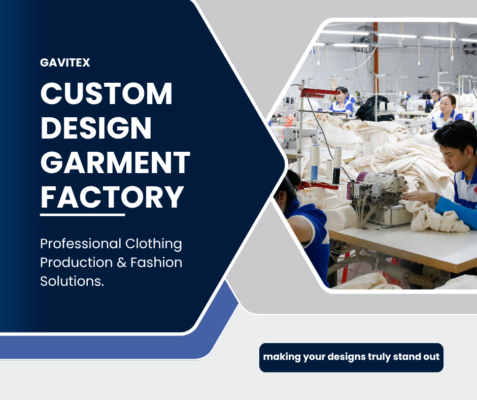
A full package clothing manufacturer Vietnam can support brands from fabric sourcing, sampling and size grading to bulk production, quality control and export preparation.
Order now / Get a quote: +84 972 107 109
